Thyroid Disease

Thyroid Treatment in Handewadi, Hadapsar

Thyroid Treatment in Handewadi, Hadapsar

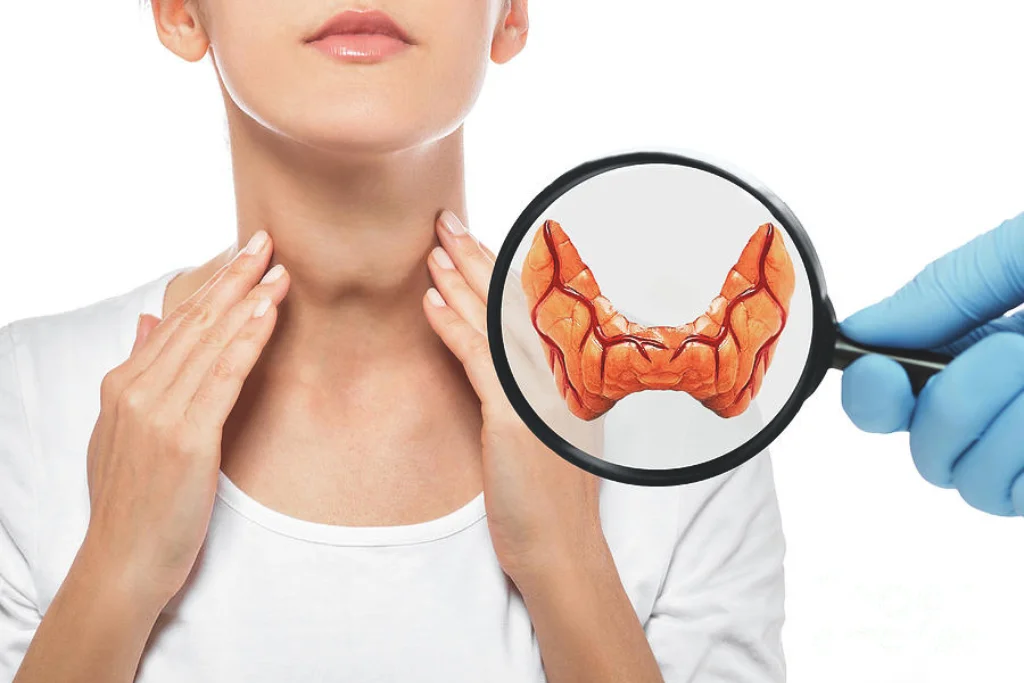
At Ekanshi Multispecialist Hospital, we provide expert Thyroid Treatment in Handewadi, Hadapsar, also known as thyroid care, to help patients manage disorders affecting the thyroid gland. The thyroid regulates metabolism through hormones T3 and T4. Imbalances can cause hyperthyroidism, leading to rapid heartbeat, weight loss, tremors, and heat intolerance, or hypothyroidism, causing fatigue, weight gain, cold intolerance, and slowed heart rate. Other conditions include goiter, thyroid nodules, and thyroid cancer.

Moreover, thyroid disorders may result from autoimmune conditions, iodine deficiency, medications, or genetic factors. Diagnosis involves blood tests, imaging, or biopsy when needed. Treatment options include medications, radioactive iodine therapy, or surgery, tailored to each patient. With timely thyroid care and personalized management, our hospital ensures effective treatment, restores hormonal balance, and supports overall health and well-being.

Thyroid Disease Care Treatments

The most common treatment for hypothyroidism (underactive thyroid) is levothyroxine, a synthetic thyroid hormone taken daily. It restores normal hormone levels, reducing symptoms like fatigue, weight gain, and cold intolerance. Dosage is tailored to the individual and adjusted based on regular TSH blood tests. Proper medication adherence ensures long-term control of thyroid function and overall well-being.
For hyperthyroidism (overactive thyroid), anti-thyroid drugs like methimazole or propylthiouracil (PTU) are used to reduce excess hormone production. These medications help relieve symptoms such as anxiety, rapid heartbeat, and weight loss. Treatment is typically long-term and monitored through regular blood work. Some patients may need additional treatments if symptoms persist.
In cases of persistent or severe hyperthyroidism, radioactive iodine (RAI) therapy may be recommended. It selectively destroys overactive thyroid tissue, helping to normalize hormone levels. RAI is usually a one-time oral dose, but may result in permanent hypothyroidism, requiring lifelong hormone replacement. It’s a non-surgical, highly effective option with minimal risk.
Regular monitoring of TSH, T3, and T4 hormone levels is crucial for all thyroid patients. It helps assess how well treatments are working and whether dose adjustments are needed. Routine follow-up ensures early detection of imbalances or side effects. Monitoring is especially important during pregnancy, medication changes, or symptom fluctuations.
While diet cannot cure thyroid disorders, eating iodine-rich foods (for hypothyroidism) or avoiding excessive iodine (for hyperthyroidism) supports treatment. A balanced diet with selenium, zinc, and vitamin D may help thyroid health. Patients should also manage stress, get enough sleep, and avoid smoking, which can impact thyroid function.
Surgical removal of part or all of the thyroid gland (thyroidectomy) may be required in cases of large goiter, thyroid cancer, or uncontrolled hyperthyroidism. After surgery, patients typically need lifelong hormone replacement therapy. Surgery is safe and effective but requires proper post-operative care and endocrinologist follow-up.

Know more about Thyroid Disease

Symptoms of Thyroid Disease

Consult your doctor if you are experiencing one or more of the following symptoms, which may indicate a thyroid disorder:

Causes of Thyroid Disease

Early detection of thyroid disorders is important for effective treatment and to avoid long-term health problems. Know the common factors that may increase your risk of developing thyroid disease:

If you are searching for a trusted Endocrinologist in Hadapsar, visit Ekanshi Multispecialist Hospital for expert Thyroid Treatment in Handewadi, Hadapsar. Book your consultation today for personalized care and effective management of thyroid disorders.
Book Appointment

Book Appointment